Complete Dubai Farmhouse Development Guide (Miyawaki + Desert Farming Model) | Rajput Farms
Developing a farmhouse in Dubai is not traditional agriculture—it is a controlled environmental engineering project. The extreme desert climate, high temperatures (up to 45°C), sandy soil, and low rainfall make natural farming impossible without intervention. Success depends on three pillars: soil engineering, irrigation control, and
Developing a farmhouse in Dubai is not traditional agriculture—it is a controlled environmental engineering project. The extreme desert climate, high temperatures (up to 45°C), sandy soil, and low rainfall make natural farming impossible without intervention. Success depends on three pillars: soil engineering, irrigation control, and climate-adapted plant selection.
The first step is transforming desert sand into fertile soil using compost, cocopeat, and microbial inputs. Next, a drip irrigation system with automation becomes the backbone of the entire farm, ensuring efficient water usage and survival of plants. Without irrigation planning, failure is guaranteed.
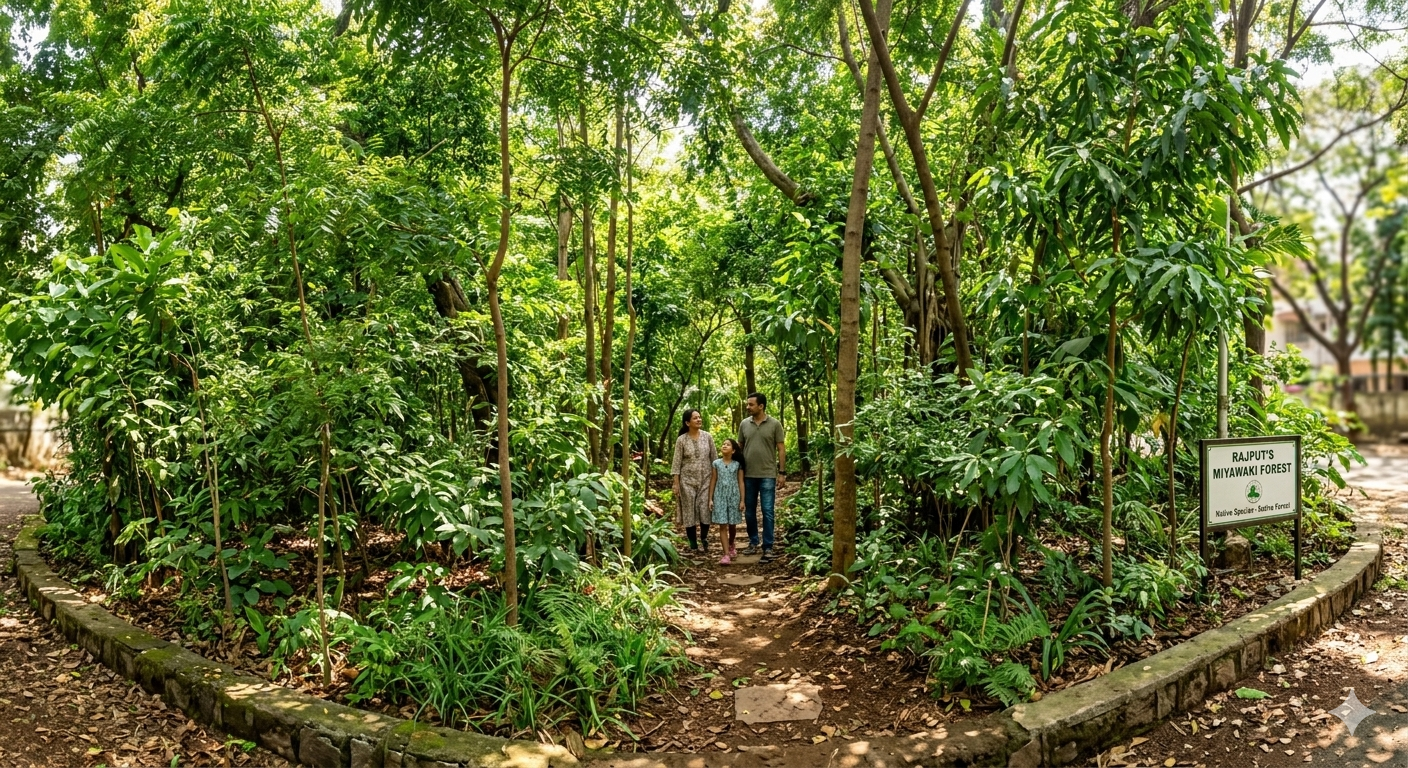
A well-planned Dubai farmhouse follows a zoning strategy, including Miyawaki forest for microclimate control, orchard zones for fruit production, and luxury areas for lifestyle value. Miyawaki plantations play a critical role in reducing temperature and increasing humidity.
Plant selection must focus on drought-resistant and heat-tolerant species such as Date Palm, Ghaf, Neem, and hardy fruit trees. Growth timelines range from 6 months (setup) to 3–5 years (full ecosystem development).
This is not a low-cost project. However, when executed correctly, it transforms barren land into a luxury green ecosystem with long-term value and sustainability.
Step-by-Step Farmhouse Development Roadmap
1. Site Analysis & Planning
Before doing anything, analyze:
- Soil type (mostly sand)
- Water source (borewell / tanker / recycled water)
- Wind direction (important for windbreaks)
- Sun exposure (full sun, no shade)
Layout Planning (per acre example)
- 20% Miyawaki forest
- 30% orchard
- 20% landscape/luxury zone
- 20% open/utilities
- 10% pathways & infrastructure
2. Soil Engineering (Most Ignored, Most Critical)
Dubai soil = dead sand (no nutrients, no structure)
Ideal Soil Mix (per planting pit):
- 40% local sand
- 30% compost (FYM/vermicompost)
- 20% cocopeat
- 10% red soil + microbes
Pit Size:
- Trees: 2ft x 2ft x 2ft
- Miyawaki: 1m depth full bed
Cost Reality:
- Soil treatment = 25–35% of total project cost
Skip this → everything fails.
3. Irrigation System Design
This is non-negotiable.
System:
- Drip irrigation (main + sub-main lines)
- Emitters per plant: 2–4
- Automated timer system
Water Requirement:
- Trees: 20–50 liters/day (summer)
- Shrubs: 5–10 liters/day
Spacing of drip lines:
- Orchard rows: 10–15 ft
- Miyawaki: dense grid irrigation
No irrigation = dead farm in 30 days.
4. Miyawaki Forest Development
Purpose:
- Reduce temperature (by 3–5°C locally)
- Increase humidity
- Act as wind barrier
Planting Density:
- 3–5 plants per sq meter
Layer System:
- Shrubs (1–3 ft)
- Medium trees (6–15 ft)
- Tall trees (20+ ft)
Example Species:
- Neem
- Khejri
- Cassia
- Acacia
Area:
- Minimum 2000–5000 sq ft recommended
5. Orchard Development (Main Revenue + Utility Zone)
This is where spacing matters most.
Tree Spacing (Critical):
| Tree Type | Spacing |
|---|---|
| Date Palm | 8m x 8m |
| Mango (controlled) | 6m x 6m |
| Lemon | 4m x 4m |
| Pomegranate | 4m x 4m |
| Fig | 5m x 5m |
Per Acre Capacity:
- ~60–100 large trees
- ~150–200 medium trees
Intercropping (first 2–3 years):
- Vegetables
- Herbs
- Short-cycle crops
6. Best Tree & Plant Selection for Dubai
Primary Trees:
- Date Palm (high ROI, desert adapted)
- Ghaf Tree (native, zero maintenance)
- Neem (strong survival)
Fruit Plants:
- Lemon
- Pomegranate
- Fig
- Guava (limited success, controlled irrigation needed)
Shrubs & Decorative:
- Bougainvillea (very hardy)
- Tecoma
- Desert rose
Avoid:
- High water plants
- Cold climate species
7. Windbreak & Boundary Plantation
Dubai winds damage plants.
Solution:
- Plant boundary rows
Spacing:
- 1.5m – 2m between plants
Best species:
- Casuarina
- Bamboo (controlled)
- Ghaf
8. Luxury Farmhouse Design Integration
This is what makes it “premium”.
Must-have elements:
- Swimming pool
- Gazebo / seating area
- Stone pathways
- Outdoor lighting
- Water features
Rule:
Do this after plantation setup, not before.
9. Development Timeline
| Phase | Duration |
|---|---|
| Planning & Soil Work | 1–2 months |
| Irrigation Setup | 15–30 days |
| Plantation | 1 month |
| Initial Growth | 6–12 months |
| Full Development | 3–5 years |
10. Cost Breakdown (Reality Check)
Approx per acre (Dubai conditions):
- Soil work: 3–6 lakh INR equivalent
- Irrigation: 2–4 lakh
- Plants: 1–3 lakh
- Infrastructure: varies heavily
Total: ₹10–25 lakh+ per acre equivalent
Cheap project = failed project.
11. Common Mistakes (Avoid These or Lose Money)
- No irrigation planning
- Random plantation
- No soil preparation
- Overcrowding plants
- Ignoring wind direction
12. Final Strategy (What Actually Works)
Correct order:
- Land planning
- Soil engineering
- Irrigation setup
- Miyawaki + boundary plantation
- Orchard plantation
- Luxury development
Reverse this → failure.
Final Reality Check
Dubai farmhouse is not farming—it’s controlled ecosystem creation.
If you:
- Control water
- Build soil
- Select right plants
→ You win