
Commercial Landscape Maintenance: What a Good Plan Covers
A practical guide to commercial landscape maintenance: what the scope includes, a seasonal calendar for North India, lawn care and how to judge a contract.
By Rajput Farms · 2026-10-19
Commercial landscape maintenance keeps an office, factory, campus or hotel's lawns, plants and hardscape healthy through a written, recurring plan. A good plan lists every area and task, sets how often each is done, follows the seasons, names who is responsible, and reports work done so the client can check it.
Why commercial sites need a written maintenance plan
A home garden can survive on weekend attention. A commercial site cannot. Offices, factories, hotels, colleges and government campuses have large lawns, long hedges, many trees and visitors who notice when things slip. Without a written plan, upkeep turns into occasional clean-ups before an inspection or event, and plants decline in between.
A written plan for commercial landscape maintenance turns that into a routine. It tells the site team and the contractor exactly what is looked after, how often, and how the work is checked. It also makes budgeting easier, because the scope is fixed in advance rather than argued over every month.
What the scope should include
Start with a simple map of the property and divide it into zones: entrance and frontage, main lawns, hedges and shrub beds, trees, planters and indoor plants, and hard areas such as paths, fountains or stage areas. Then list the tasks for each zone.
Lawns and turf
- Mowing at a regular interval, with edges trimmed along paths and beds.
- Watering to suit the season and the grass type.
- Feeding with compost or fertiliser at the right times of year.
- Weed removal, top-dressing of thin or uneven patches, and aeration where the soil is compacted by foot traffic.
For lawn-only contracts, our lawn maintenance service covers mowing, feeding and upkeep of existing lawns.
Hedges, shrubs and flower beds
- Shaping hedges so they stay dense at the base and neat at the top.
- Deadheading, weeding and mulching of beds.
- Seasonal flower changes, if the site uses annuals at entrances or around lawns.
Trees and palms
- Removing dead, damaged or low branches, and keeping canopies clear of buildings, cables, lights and signboards.
- Checking for leaning trees, loose fronds or dead palms, and clearing them safely before they become a hazard.
Planters, indoor plants and green walls
Lobby plants, terrace planters and vertical gardens need their own schedule for watering, cleaning leaves, pest checks and replacement of tired plants.
Irrigation and drainage
Sprinklers, drip lines, hose points and drains should be checked as part of the routine. A blocked emitter or a leaking valve can quietly kill a row of plants or waterlog a lawn.
Clean-up and green waste
Clippings, fallen leaves and pruned branches should be collected and removed or composted, and paths swept, so the site looks finished after each visit.
A seasonal calendar for North India
Grounds maintenance in the plains of Uttar Pradesh and Delhi-NCR follows the weather more than the calendar month, but a rough pattern helps with planning:
- Summer (roughly April to June): water early in the morning or in the evening, raise the mowing height a little to reduce stress on grass, mulch beds to hold moisture and watch for wilting in exposed areas.
- Monsoon (roughly July to September): grass and weeds grow fast, so mowing and weeding become more frequent. Clear drains, fix waterlogged spots and check for fungal problems and pests.
- After the monsoon (October to November): a good time for lawn repair, top-dressing, feeding, new planting and replacing plants lost during summer.
- Winter (December to February): growth slows, so watering and mowing reduce. Use the quieter period for pruning, hedge shaping and preparing beds for the next season.
Campus lawn care and high-traffic areas
Large lawns at colleges, training campuses, stations and corporate parks take heavy wear from events, assemblies and daily foot traffic. Campus lawn care works better when the plan accounts for this:
- Rest heavily used patches after big events and repair them before wear spreads.
- Aerate compacted soil so water and roots can reach deeper.
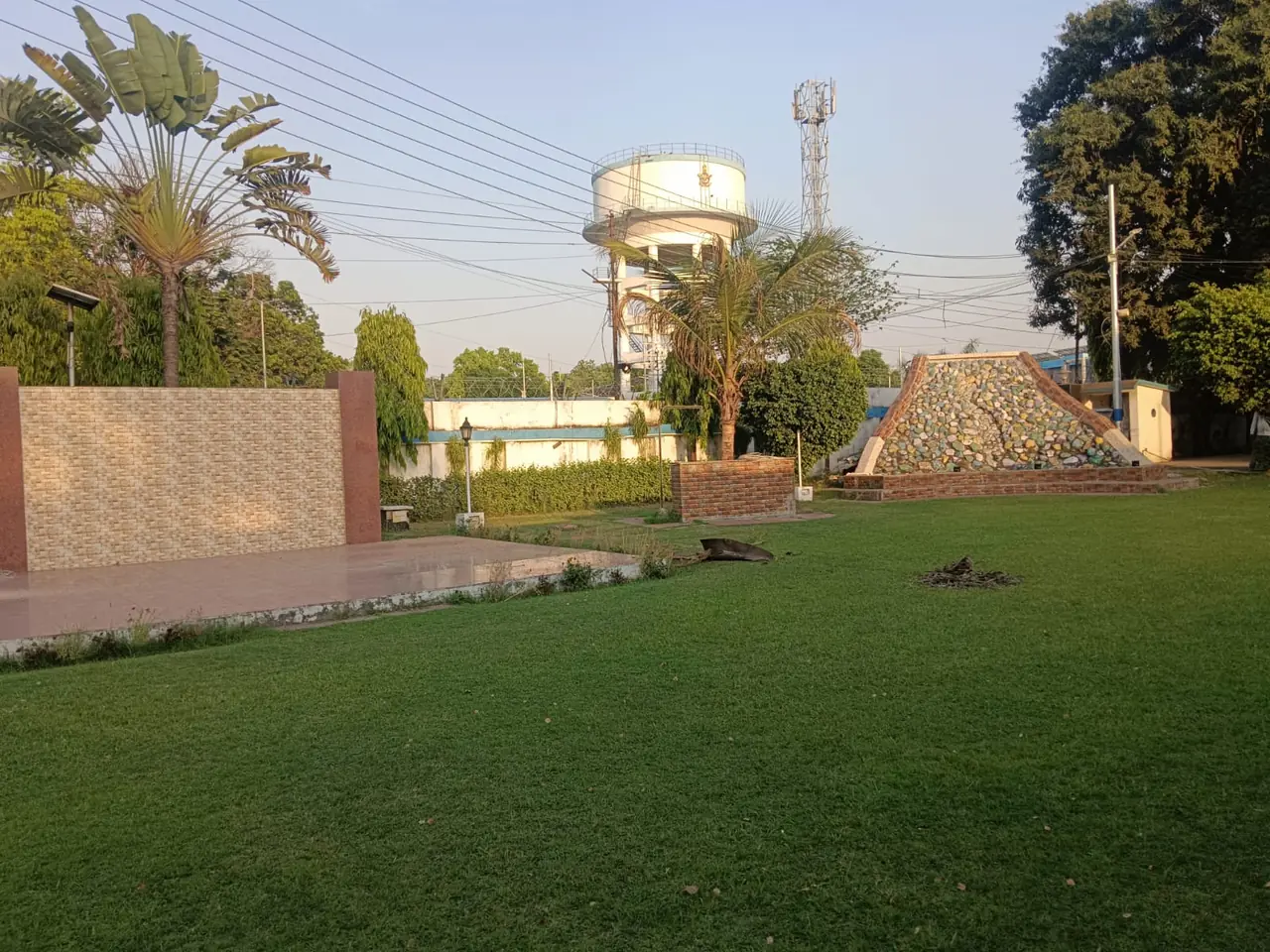
- Keep stage areas, walkways and seating zones edged and clean, since these are the parts visitors notice first.
- Plan event days into the schedule, so mowing and watering happen before and not during them.
Landscape maintenance for offices and corporate sites
For offices, the focus is usually on appearance and consistency: a clean entrance, neat hedges, healthy lobby plants and no dead plants on display. Landscape maintenance for offices also needs to fit around working hours, security rules and parking, so visit timings and access should be agreed at the start. If the site is still being developed, our corporate landscaping service covers office and corporate campus grounds.
How to judge a maintenance contract
Whether you call it an AMC (annual maintenance contract) or a service agreement, ask for these in writing:
- A clear task list for each zone, with how often each task is done.
- Visit schedule and team size, and whether a supervisor checks the work.
- What is included and what is extra, such as fertiliser, plant replacements, pest control, tools and green waste removal.
- Reporting, for example a simple visit log with photos, so the facility team can see work done without walking the whole site.
- A named contact on both sides to report problems and agree changes.
Rajput Farms offers landscape maintenance for developed outdoor areas and landscape AMC contracts for landscaped properties. Service areas listed include Kanpur, Varanasi, Chandauli, Gurugram and Delhi-NCR. Our project list includes lawn and grounds landscaping at the Nadesar station in Varanasi. Pricing is quoted per project after we understand the site, so there are no fixed rates published online.
Frequently asked questions
What does commercial landscape maintenance include?
It usually covers lawn mowing, watering and feeding, hedge and shrub care, tree and palm pruning, care of planters and indoor plants, checks of irrigation and drainage, and removal of green waste, all done on a written schedule.
How often should a commercial lawn be mowed?
It depends on the grass and the season. In North India, lawns grow fastest in the monsoon and need more frequent mowing then, and much less in winter. Mowing regularly without cutting too much at once keeps grass dense.
What is a landscape AMC?
A landscape AMC is an annual maintenance contract in which a contractor looks after a landscaped property for a year under an agreed scope, visit schedule and price.
When is the right time to repair lawns on a campus?
In the plains of Uttar Pradesh, the weeks after the monsoon, around October and November, are a good time for lawn repair, top-dressing and feeding, before growth slows in winter.
How much does commercial landscape maintenance cost?
It depends on the area, the number of lawns, trees and planters, visit frequency and what materials are included. Rajput Farms does not publish fixed prices and quotes per project after reviewing the site.
Get a maintenance plan for your site
Share your site location, the approximate area of lawns and gardens, and a few photos through our contact page, or call or WhatsApp +91 88087 69257. For lawn and grass enquiries you can also call +91 81123 73924. We will help you work out a scope and schedule that suits your property.