
Terrace Garden Waterproofing & Drainage: A Planning Guide
A planning guide to terrace garden waterproofing: check the rooftop garden load, build the layers in order, keep drainage outlets clear and choose planters.
By Rajput Farms · 2026-10-20
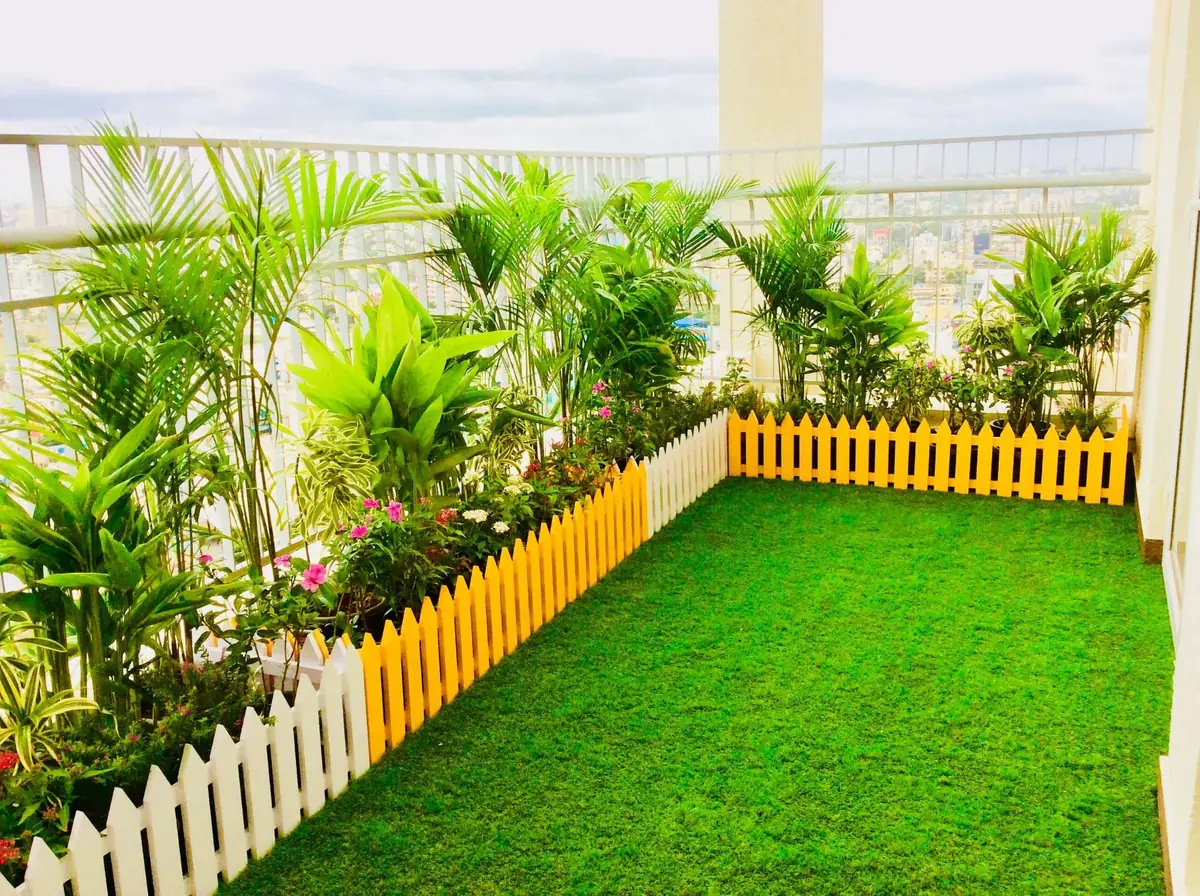
Terrace garden waterproofing means sealing the roof slab and protecting that seal before any soil goes on top. A safe terrace garden starts with a structural load check, then a waterproof membrane, a root barrier, a drainage layer with filter fabric, lightweight soil and clear outlets, so water leaves the roof instead of seeping into the slab.
Why waterproofing comes before plants
A terrace garden keeps the roof wet for much longer than rain alone would. Soil holds water for days, roots search for cracks, and blocked outlets let water stand on the slab. If the roof was not sealed and protected first, the first sign of trouble is often damp patches, peeling paint or seepage in the rooms below, and by then the garden has to be lifted to repair the roof.
That is why terrace garden waterproofing is planned as part of the garden, not as an afterthought. The aim is simple: water should drain off the roof quickly, roots should never touch the slab, and the building should carry the extra weight comfortably.
Step 1: Check the rooftop garden load
Wet soil, planters, paving, water features and people all add weight. Soil that is fully soaked after heavy rain weighs much more than dry soil, and the slab has to carry it every monsoon.
- Ask a structural engineer what load the roof slab can safely take, and where the beams and columns run.
- Keep heavy items such as large planters, raised beds and water features over beams or columns rather than in the middle of a span.
- Use a lightweight growing medium (for example, a mix with cocopeat and compost) instead of plain garden soil wherever depth allows.
- Decide early between full-bed planting and container planting, because the rooftop garden load is very different for each.
Older buildings need extra care. If the slab already shows cracks or old leakage marks, repair them before planning any garden.
Step 2: Build the layers in the right order
A full terrace garden bed is a stack of layers. Each one has a job, and skipping one usually causes problems later. From the slab upwards:
Slope and surface preparation
The slab should slope towards the drain outlets so water never ponds. Cracks are repaired, the surface is cleaned, and the corners where the floor meets the parapet wall are rounded or filled, because water collects at sharp joints.
Waterproofing membrane
A continuous waterproof layer covers the whole planted area and turns up the parapet walls above the final soil level. Common options include liquid-applied coatings and sheet membranes. The right choice depends on the roof, budget and the waterproofing contractor's advice. Before going further, many contractors flood-test the roof by holding a little water on it for a day or two and checking the ceiling below for damp.
Protection layer and root barrier
The membrane is easily damaged by tools, gravel and roots. A protection screed or board shields it, and a root barrier stops roots from growing into joints. This matters most for shrubs, climbers and small trees.
Drainage layer
Above the protection layer goes a drainage layer, such as plastic drainage cells or boards, or a layer of light aggregate. It lets excess water run sideways to the outlets instead of soaking the soil and sitting on the roof.
Filter fabric
A geotextile filter fabric over the drainage layer keeps fine soil from washing down and clogging it, while still letting water pass.
Growing medium and mulch
Finally comes the lightweight soil mix, planted and then mulched to reduce evaporation in summer and soil splash in the monsoon.
Step 3: Plan terrace garden drainage outlets
Good terrace garden drainage depends on outlets that stay open:
- Keep every existing rainwater outlet working, and never bury one under soil.
- Fit outlets with gratings or small inspection chambers so leaves and soil can be cleared easily.
- Leave a gravel strip or open edge along parapets and around outlets, so water reaches them even if the soil is saturated.
- Plan an overflow path in case one outlet blocks during heavy rain.
Terrace planters: a lighter option
Not every terrace needs full-bed planting. Terrace planters and containers keep soil off the slab entirely, which reduces the risk of seepage and makes it easy to move plants later. Raise planters slightly on feet or pads so water can flow underneath, and make sure each one has drainage holes. Place the heaviest ones over beams. Rajput Farms supplies terrace garden containers built for rooftop and terrace garden installations.
Choosing plants and watering
- Prefer shallow-rooted plants, such as seasonal flowers, herbs, grasses, ground covers and compact shrubs.
- Avoid planting aggressive-rooted trees, such as peepal, banyan and other large ficus, in roof beds. Their roots can damage waterproofing and walls.
- Water with drip lines or a timer rather than flooding the beds. Our drip irrigation service covers drip system design and installation.
- Expect faster drying in summer, because roofs take full sun and wind.
Seasonal checks after the monsoon
October is a good time to inspect a terrace garden after the rains:
- Clear outlets, gratings and drainage strips of soil, leaves and roots.
- Check the ceiling and walls below for new damp patches.
- Look for roots near parapet joints and outlets, and remove them early.
- Top up soil that has washed away, and replace plants lost to waterlogging.
Repeat the outlet check before the next monsoon begins.
How Rajput Farms can help
Rajput Farms provides terrace garden development, including rooftop garden design and terrace landscaping, and rooftop green space development. Service areas listed include Kanpur, Varanasi, Chandauli and Delhi-NCR. Our projects include the GP Greens terrace garden in Greater Noida. Waterproofing itself is civil work, so we suggest your building's structural engineer and waterproofing contractor confirm the slab and membrane before planting. Pricing is quoted per project, so no fixed rates are published online.
Frequently asked questions
Does a terrace garden cause leakage?
A terrace garden can cause leakage when the roof is not waterproofed, protected from roots and drained properly. With a sound membrane, a root barrier, a drainage layer and clear outlets, water drains off the roof instead of seeping into the slab.
What layers go under a terrace garden?
From the slab up, a typical bed has a slope towards outlets, a waterproofing membrane, a protection layer and root barrier, a drainage layer, filter fabric, and then a lightweight growing medium with mulch on top.
How do I know if my roof can take a terrace garden?
Ask a structural engineer to check the slab and tell you the safe load. Wet soil, planters and people add a lot of weight, so heavy items should sit over beams or columns, and lightweight soil mixes help.
Are terrace planters safer than full-bed planting?
Planters keep soil off the slab, so the risk of seepage is lower and plants are easy to move. Raise them slightly so water flows underneath, use drainage holes, and place heavy planters over beams.
Which plants should not be planted on a terrace?
Avoid aggressive-rooted trees such as peepal, banyan and other large ficus in roof beds. Shallow-rooted flowers, herbs, grasses, ground covers and compact shrubs are better choices.
Plan your terrace garden
Share your city, the approximate terrace area and a few photos of the roof and outlets through our contact page, or call or WhatsApp +91 88087 69257. For buying pots in Kanpur, call +91 79856 43523.