
Landscape Plant Procurement: Sourcing Nursery Stock
How to plan landscape plant procurement for big projects: a clear plant schedule, nursery stock checks, phased delivery and replacement terms.
By Rajput Farms · 2026-10-29
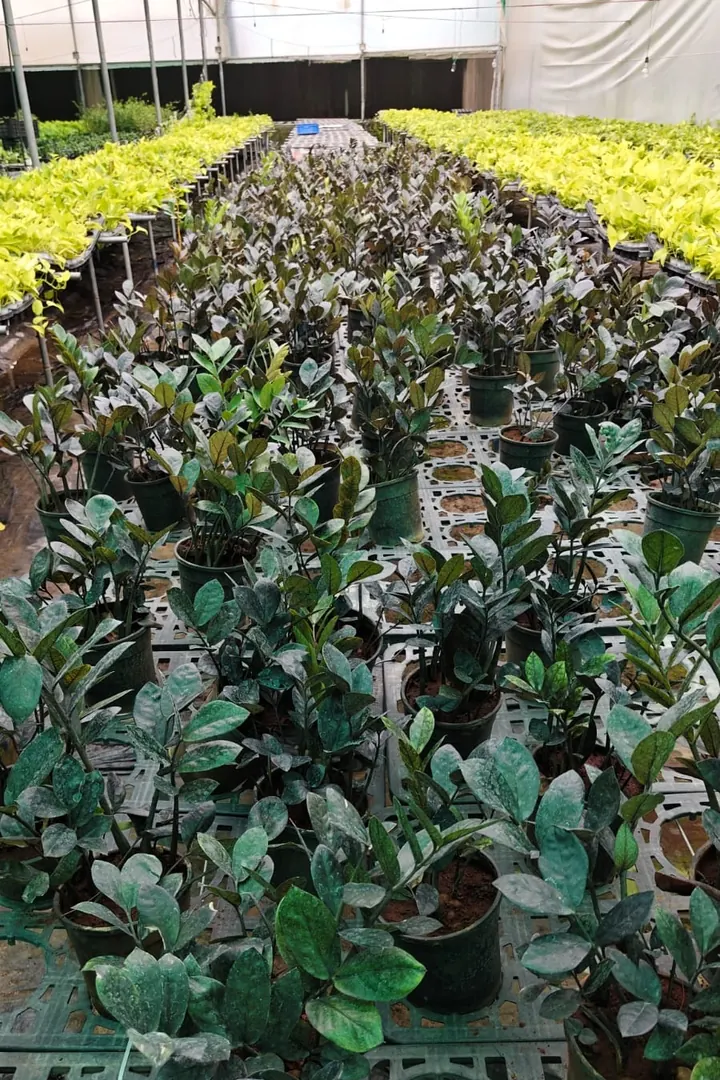
Landscape plant procurement goes smoothly when you start with a clear plant schedule listing species, size, pot or bag size and quantity, then check nursery stock in person, agree delivery in phases that match site readiness, and settle replacement terms before ordering. Planning early protects both quality and the project timeline.
Why plant procurement needs its own plan
On a large landscaping project, plants are often ordered last, after civil work, paving and irrigation are almost finished. That is when problems show up: the species in the drawings is not available in the right size, part of the order arrives weak, or hundreds of saplings sit on site for days with nobody to plant or water them.
Treating landscape plant procurement as a separate workstream, with its own schedule and checks, avoids most of these issues. This guide is written for contractors, developers, facility teams and institutions buying nursery stock for large projects. For supply itself, see our nursery supply service.
Step 1: Write a clear plant schedule
A plant schedule is the list a nursery quotes against. Vague lists such as "ornamental shrubs, 500 nos" lead to mismatched quotes and disputes later. A useful schedule gives, for every line:
- Botanical name and local name, because local names change from district to district.
- Size, written the same way for every line: height, spread, or stem girth for trees.
- Container, such as grow bag, pot size or root-balled, which affects both price and transplant success.
- Quantity, plus a small allowance for replacements.
- Form or grade, for example single stem, multi-stem, bushy, or trained, where it matters to the design.
- Planting zone, so the nursery understands sun, shade and wind exposure.
Group the schedule by category, such as avenue trees, hedges, shrubs, groundcover, climbers and lawn, so it is easy to compare quotes line by line.
Step 2: Match species to site and season
The most attractive species on a drawing is not always the right one for the site. Before finalising the schedule, check each plant against the local climate, soil, water availability and the maintenance the client can actually provide. In the hot summers of the north Indian plains, hardy and native species usually establish better than delicate exotics.
Timing matters too. Planting is generally easiest in the monsoon and in the milder months that follow, when establishment needs less water. Summer planting is possible, but it needs more frequent irrigation and closer watching. For dense native plantation work, our guide to Miyawaki plant species explains how to build a native list.
Step 3: Check nursery stock before you order
Photos and price lists are useful, but for large orders it is worth seeing the stock, or a representative batch, in person. When inspecting nursery stock for large projects, look for:
- Healthy foliage with good colour and no wilting, heavy pest damage or disease spots.
- A firm root ball that holds together when the plant is lifted, with no roots badly circling the bag.
- Consistent size within each line, so a hedge or avenue row looks even once planted.
- Hardened plants that have been grown in open conditions, not only in deep shade, if they are going to a sunny site.
- Correct labelling, so the species delivered is the species specified.
For trees, a straight, well-formed stem and a balanced crown matter more than sheer height. Very large trees can look impressive on delivery but often take longer to establish than younger, well-grown saplings.
Step 4: Plan delivery and staging
Bulk saplings for projects should arrive when the site can receive them. Before delivery, confirm:
- Pits or beds are dug and soil is prepared.
- Water is available on site, through irrigation or tankers.
- There is a shaded holding area for plants that cannot be planted the same day.
- A team is ready to unload carefully, since rough handling damages root balls.
On big sites, phased delivery, zone by zone, keeps plants from waiting too long on site. Rajput Farms supplies plants from its own nurseries in Chakeri, Kanpur and Dhanwapur, Sector 104, Gurugram, and offers bulk plant supply for large landscaping and plantation projects.
Step 5: Agree replacements and aftercare
Some losses after transplanting are normal, especially in summer. Agree in writing, before ordering, how failed plants will be handled: what counts as a failure, how long the replacement period lasts, and who pays for replacements when the cause is poor watering on site.
Aftercare decides survival more than anything else. Newly planted stock needs regular watering, weeding, mulching and staking for trees in windy spots during the first months.
Choosing a tree supplier for landscaping projects
Whether you need avenue plants for a road, hedge plants for a boundary, or general landscape plants for a campus, a few questions help when comparing suppliers:
- Do they grow the stock in their own nursery, or only trade it?
- Can they supply the full schedule, or only part of it?
- Will they let you inspect the stock before dispatch?
- How do they pack and transport plants over long distances?
- What are their replacement terms?
Rajput Farms also offers landscape plant supply, plantation plant supply for saplings, and contract plant supply for ongoing project needs.
How is pricing worked out?
Rajput Farms does not publish fixed plant prices online. A quote depends on the species, size and container of each line, the quantities, the delivery location and timing, so it is prepared once the plant schedule has been shared.
Frequently asked questions
What is landscape plant procurement?
It is the process of planning, sourcing, inspecting and receiving the plants a landscaping project needs. It usually starts with a plant schedule listing species, size, container and quantity, and ends with delivery, planting and agreed replacements.
What should a plant schedule include?
Each line should give the botanical and local name, plant size, container type, quantity, form where it matters, and the planting zone. Grouping lines by category, such as trees, hedges, shrubs and groundcover, makes quotes easier to compare.
When should nursery stock be planted on a large project?
Planting is generally easiest in the monsoon and the milder months after it, when new plants need less water to establish. Summer planting can work but needs more frequent irrigation and closer care.
Should large orders be delivered all at once?
On big sites, phased delivery zone by zone is usually safer. Plants should arrive only when pits are ready, water is available and a team can plant them quickly, with a shaded holding area for any that wait.
Where does Rajput Farms supply plants from?
Rajput Farms supplies plants from its own nurseries at Chakeri in Kanpur and at Dhanwapur, Sector 104 in Gurugram. Prices are quoted per project, as no fixed prices are published online.
Share your plant schedule
Send your plant list, site location and planting timeline through the contact page. For bulk plant supply and landscaping projects, call or WhatsApp +91 88087 69257.