
Post-Monsoon Lawn Care for Campuses and Grounds
A seasonal checklist for lawn care after monsoon on campuses and large grounds: drainage, aeration, top-dressing, patch repair, fungus, weeds and irrigation.
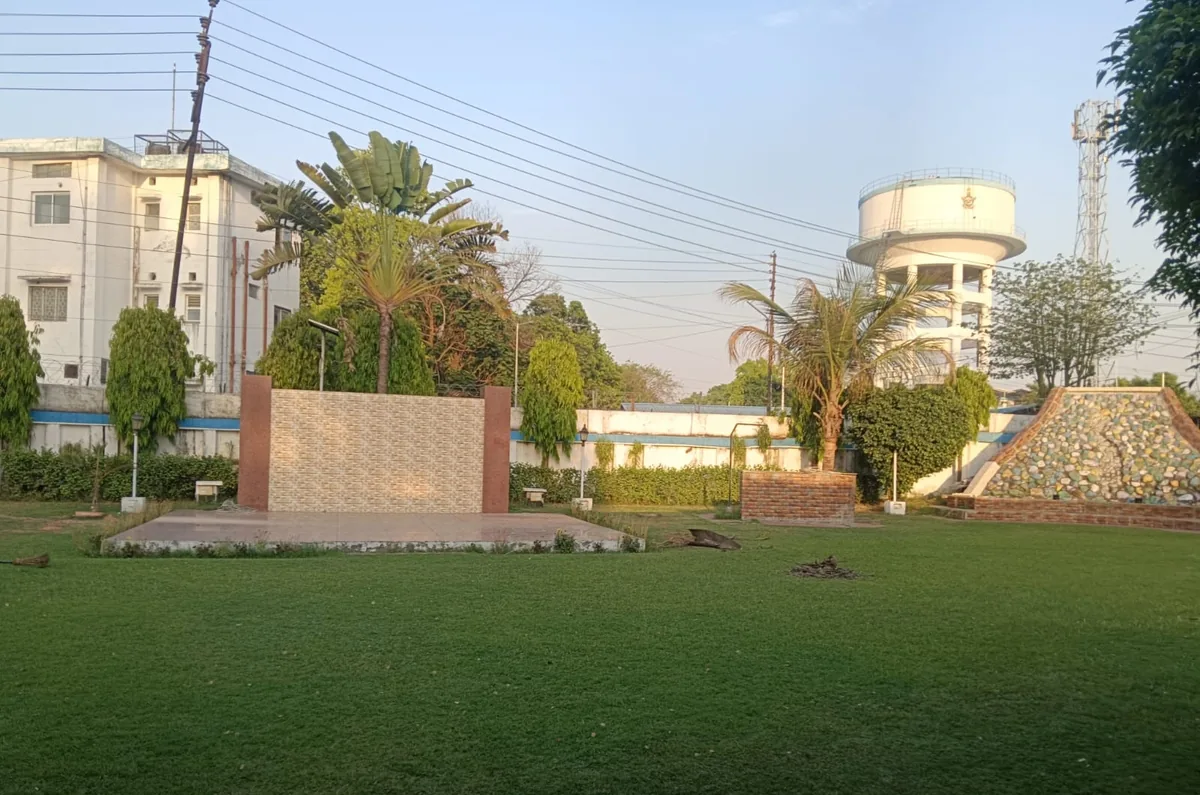
By Rajput Farms · 2026-10-30
Post-monsoon lawn care means fixing what the rains left behind before the dry winter sets in: clear waterlogged spots and drains, aerate compacted soil, top-dress and level low areas, repair bare patches, treat fungus and weeds, feed lightly, adjust the mowing height and cut irrigation back to match cooler weather.
Why October and November matter for large lawns
The monsoon is hard on big lawns. Weeks of rain compact the soil, standing water starves roots of air, weeds grow faster than the grass, and fungal patches appear in shaded or poorly drained corners. On campuses, offices, stations and institutional grounds, events and daily foot traffic on wet soil make the damage worse.
Lawn care after monsoon is about using the short window when the rains have stopped but the winter chill has not arrived. In the plains of Uttar Pradesh and Delhi-NCR, October and November are usually warm enough for grass to recover and root, and dry enough to work on the soil. Repairs done now carry the lawn through winter; repairs left until spring take longer and cost more.
This guide is a seasonal checklist for facility teams and estate managers. For the year-round scope of a grounds contract, see our guide on commercial landscape maintenance.
Step 1: Walk the lawn and map the damage
Before any work starts, walk the whole lawn once and note problems on a simple site plan:
- Low spots where water stood for more than a day after rain.
- Bare or thin patches, especially along paths, near gates and around event areas.
- Yellow, brown or ring-shaped patches that may point to fungus.
- Weed-heavy areas and spots where weeds have taken over completely.
- Choked drains, blocked outlets and silted channels around the lawn edges.
A marked plan helps you decide which areas need routine care and which need proper renovation, and it gives the maintenance team a clear work order.
Step 2: Fix drainage and waterlogging first
There is little point reseeding a patch that floods again next season. Start with water:
- Clear silt and debris from surface drains, catch pits and outlets.
- Lift and refill sunken low spots with a sandy soil mix so water no longer collects there.
- Where the same area floods every year, discuss a permanent fix, such as regrading or a subsurface drain, before laying new grass on it.
If a lawn still squelches several days after the last rain, let it dry before heavy machines or crowds go on it.
Step 3: Aerate compacted soil
Rain and foot traffic press the soil tight, so water and air cannot reach the roots. Core aeration, which pulls small plugs of soil out of the lawn, is the most useful single job after the monsoon on high-traffic grounds. Spiking with a fork works for small areas.
Aerate when the soil is moist but not wet. Focus on paths of regular foot traffic, assembly areas and lawns used for events.
Step 4: Top-dress and level
After aeration, spread a thin layer of top-dressing, typically a screened mix of sand, good soil and well-rotted compost, and brush it into the holes. This improves the soil surface, fills minor dips and helps new grass take hold. Keep the layer thin so the existing grass is not smothered.
Step 5: Repair bare patches: overseed or re-turf
Small thin areas can often recover with top-dressing, feeding and regular watering. Larger bare patches need new grass:
- Re-turfing or plugging with the same grass already in the lawn gives the quickest, most even result on visible areas such as entrances and main lawns.
- Overseeding suits grasses that are grown from seed and areas where a few weeks of patchy cover is acceptable.
Match the grass to what is already there, so the repaired patch blends in. Keep repaired areas roped off and watered until the new grass roots firmly. When much of the lawn is worn, uneven or weed-filled, a full lawn renovation is usually better value than repeated patching. For completely new areas, see lawn installation, and for turf and grass supply, see our lawn grass page.
Step 6: Deal with fungus and weeds
Fungal patches
Humid weather after the rains suits lawn fungus. Common signs are circular brown or yellow patches and a greasy look on the grass in the morning. Improve drainage and airflow, avoid evening watering, remove clippings from affected spots and trim overhanging branches that keep areas shaded and damp. If patches keep spreading, get the problem identified before using any treatment, and follow product label directions.
Weeds
Monsoon weeds set seed quickly. Hand-remove broadleaf weeds and sedges from small areas before they flower. For large areas, a targeted treatment may be needed, applied by trained staff and kept away from newly repaired patches until they are established.
Step 7: Feed, mow and reset irrigation
Feeding
Heavy rain washes nutrients out of the soil. A light, balanced feed after aeration and top-dressing helps the grass recover before winter. Avoid heavy doses late in the season, which push soft growth that suffers in cold weather.
Mowing height
Grass grows fast in the monsoon and is often cut low to keep up. After the rains, raise the mowing height a little and avoid removing more than about a third of the leaf at one cut. Keep blades sharp so the grass is cut cleanly instead of torn.
Irrigation reset for the dry winter
Irrigation schedules are often switched off or ignored during the rains. Once the soil dries out, check sprinklers and pipes for damage and blockages, then restart watering at a reduced frequency suited to cooler days. Water in the morning so the grass dries during the day. If the system needs repairs or upgrades, see garden irrigation.
Campus lawn maintenance: planning the work
On a large campus, it helps to break post-monsoon work into zones and schedule it around events and term dates. Do the noisy jobs, such as aeration and re-turfing, when the area is least used, and rope off repaired patches. After the recovery work, routine lawn maintenance keeps mowing, feeding and weeding on track, and a landscape AMC can cover the whole season's tasks under one annual contract.
Rajput Farms has carried out lawn and grounds landscaping at the Nadesar station in Varanasi, shown on our IAF Nadesar landscaping project page. Pricing for lawn work is quoted per project; no fixed prices are published online.
Frequently asked questions
When should post-monsoon lawn care start?
Start once the rains have clearly stopped and the soil is moist but no longer waterlogged, usually in October in the plains of north India. Finishing major repairs by November gives new grass time to root before the cold weather.
Should a lawn be aerated after the monsoon?
Yes, especially on campuses and grounds with heavy foot traffic. Rain and use compact the soil, and core aeration lets air, water and nutrients reach the roots again. Aerate when the soil is moist, not wet.
Is it better to overseed or re-turf bare patches?
Re-turfing or plugging with the same grass gives a quicker, more even result on visible areas. Overseeding can work for seed-grown grasses where a few weeks of patchy cover is acceptable. Very worn lawns may need full renovation.
How should irrigation change after the rains?
Check sprinklers and pipes for damage, then restart watering at a lower frequency suited to cooler weather. Watering in the morning lets the grass dry during the day, which reduces fungal problems.
Does Rajput Farms handle lawn renovation for large grounds?
Yes. Rajput Farms offers lawn renovation, lawn maintenance and landscape AMC services, with service areas listed on the site including Kanpur, Varanasi, Chandauli, Gurugram and Delhi-NCR. Pricing is quoted per project.
Plan your lawn's recovery
Share your site location, lawn area and the problems you see through the contact page. For lawn renovation and grounds projects, call or WhatsApp +91 88087 69257. For lawn grass and turf, call +91 81123 73924.